The locker room after exercise, the commuting road in hot summer, the evening after sitting for a long day-have you ever wondered where the smell of sweat comes from? The sweat itself has no obvious smell. The real "culprit" is the proliferation of bacteria on the surface of the skin after sweat. These bacteria, nourished by proteins and fatty acids in sweat, quickly breed and produce metabolites such as ammonia, acetic acid and isovaleric acid, which are mixed together to smell the "smell of sweat". & nbsp
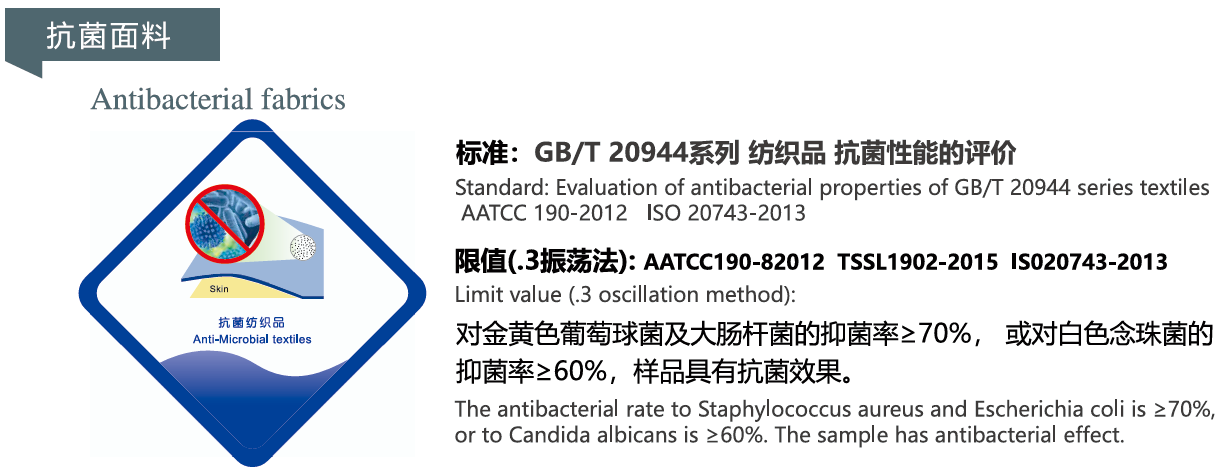
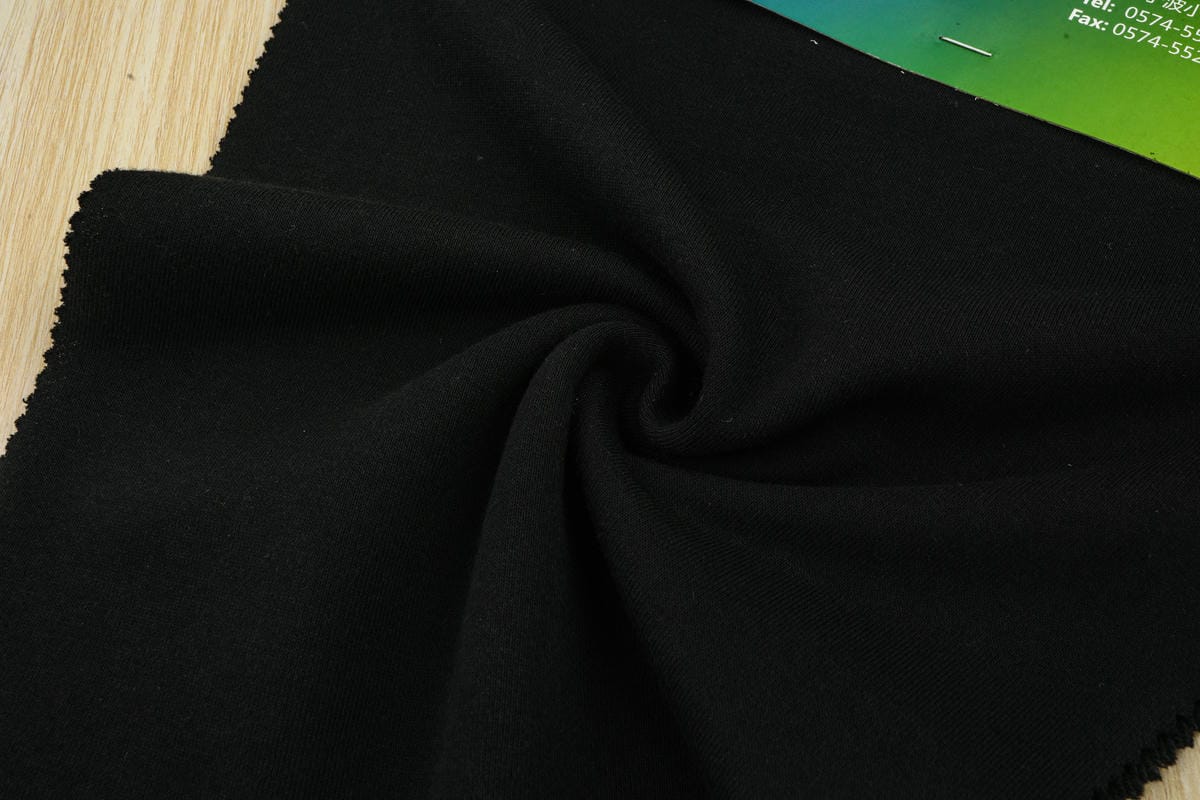
& nbsp; wide-source anti-bacterial and deodorant knitted fabrics solve this problem from the source. We adopt the composite technology of micro-nano mosaic and post-finishing to fix the antibacterial and deodorizing functional components uniformly on the surface and interior of the fiber. On the one hand, antimicrobial factors can effectively inhibit the reproduction of common pathogenic bacteria such as Staphylococcus aureus, Escherichia coli, Candida albicans and odor-causing bacteria, and reduce the basis of odor production from the source; on the other hand, deodorant components can actively capture and decompose ammonia, acetic acid, isovaleric acid and other odorous molecules, and transform them into odorless substances. This is not using fragrance to cover up the smell-it's just a temporary deception; it's making the odor molecules disappear completely-this is true freshness. Tested by authoritative organizations according to FZ/T 73023 "Antibacterial knitwear" and GB/T 33610 "determination of deodorizing performance of textiles" and other standards, the antibacterial and deodorizing properties of the fabric have reached the effective level recognized by the industry. The functional factor has good washing resistance, stable efficacy for long-term use, and will not fail after wearing it for a few times. & nbsp
& nbsp; sports wear, commuting wear, home wear-every moment, keep calm and fresh.